Leave Your Message
0%

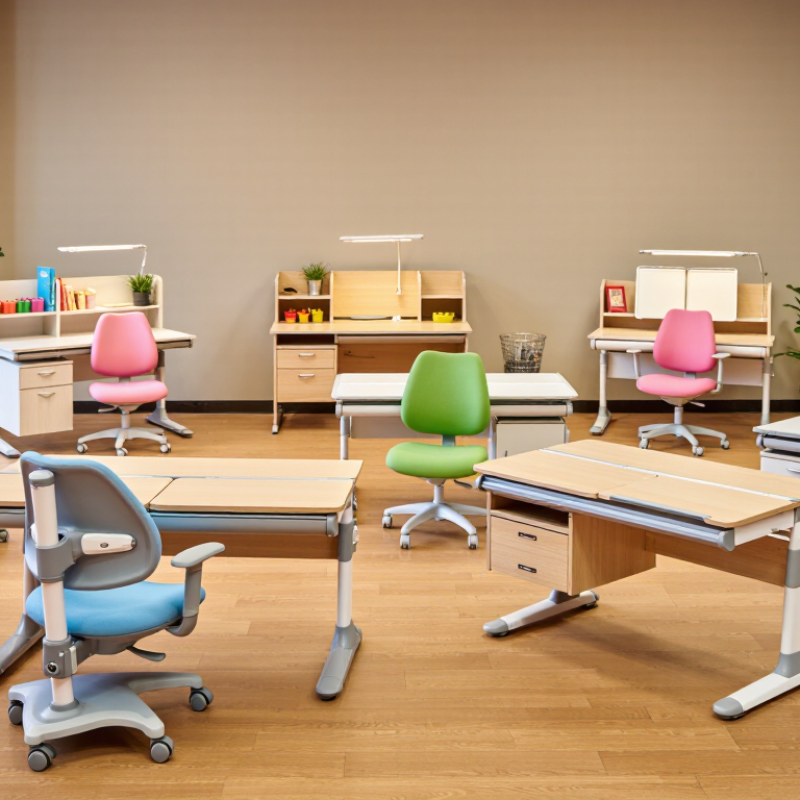
Picking the right desk? It can actually change the way a student reads, writes, and keeps their school stuff organized. This guide looks at China's top 10 study tables made for students, each paired with a matching chair. We look at everyday comfort, build quality, safety, and whether it's really worth the money.

A good Study Table For Students With Chair should help with posture without making the room feel cramped. So we check things like desktop height, chair adjustability, edge finishing, storage space, and how strong the materials are. The little details matter. A smooth surface makes handwriting easier, and rounded corners mean fewer accidental bumps. Stable legs are a big deal too, especially on uneven floors. Before ordering, parents should look at weight limits, assembly instructions, and warranty terms.

The guide also asks whether each Study Table With Chair For Students works for different ages and study habits. Some designs have colorful shelves that younger kids tend to love. Others keep things simpler for teenagers or shared bedrooms. Product photos can look really convincing, but the real measurements might tell a different story. And sometimes supplier info is still incomplete, so buyers should ask for updated specs and verified test documents. Yeah, it's not a perfect process.

These recommendations are meant to be balanced and practical, not to crown one universal winner. Room size, budget, height, and study routine all shape the final choice. A well-made desk should feel steady during homework and stay useful as the student grows. There may still be minor compromises. Comparing carefully can help cut those down.
China Top 10 Study Tables for Students With Chairs

What Makes a Student Study Table Set Suitable for Learning

A suitable Study Table For Students With Chair must support posture, movement, and concentration. It should not merely look attractive in a catalog. ISO 9241-5 recommends adjustable workstations that help users maintain neutral positions during screen-based tasks. In practice, a student’s feet should rest flat, while knees and elbows remain close to right angles. A chair with adjustable height is therefore more useful than a fixed decorative seat.

Size matters too. A 2022 review in the International Journal of Environmental Research and Public Health reported that School Furniture often failed to match students’ body dimensions, with mismatch rates frequently exceeding 50%. That figure deserves attention. A desk that is too high lifts the shoulders; one that is too deep encourages leaning. Leave enough surface space for an open notebook, a tablet, and one small lamp. Rounded edges and stable legs reduce daily irritation and minor accidents.

Materials also influence learning. The U.S. Environmental Protection Agency identifies low-emitting products as a practical way to support healthier indoor environments. Smooth, easy-clean surfaces help remove dust and ink marks, but overly glossy tops can reflect bright windows. I once considered storage the most important feature. I was wrong. A quiet chair, sensible dimensions, and simple adjustment often matter more than extra drawers. The best set grows with the student, even if no design fits every body perfectly.

China Top 10 Study Tables for Students With Chairs — What Makes a Student Study Table Set Suitable for Learning?

A suitable student study table set should provide enough working space, comfortable legroom, and a chair that supports a neutral sitting posture. The chart shows typical ergonomic planning ranges in centimetres for evaluating table-and-chair combinations. Actual dimensions should be adjusted to the student’s height, age, and available room space.

Key Features of China’s Top Study Tables With Chairs

China Top 10 Study Tables for Students With Chairs

Key Features of China’s Top Study Tables With Chairs

A practical Study Table And Chair For Students should adjust with the child, not force the child to adjust. Many leading Chinese designs offer height-adjustable legs, tilting desktops, rounded corners, and stable chair backrests. The tabletop should hold books, a lamp, and a writing hand without crowding. A 0–15-degree tilt can support reading and writing, but the mechanism must lock firmly. Small details matter. Smooth edges protect elbows, while quiet casters reduce classroom noise. I would still inspect every hinge personally; attractive adjustment systems can feel loose after repeated use.

Ergonomics also needs movement. The World Health Organization’s 2020 guidelines recommend an average of at least 60 minutes of moderate-to-vigorous activity daily for children and adolescents. Therefore, a study set should not encourage hours of rigid sitting. A footrest, breathable back panel, and enough legroom can improve comfort during shorter sessions. China’s GB 28007-2011 children’s furniture standard addresses structural safety, edge treatment, and harmful substances, giving buyers a useful compliance reference. Materials should also be tested for formaldehyde emissions and load stability. Storage drawers are helpful, although deep drawers may invite clutter. One overlooked point is assembly quality. Even a well-designed table may wobble when screws are poorly tightened. Measurements should match the student’s height, desk space, and daily habits, rather than following a fashionable appearance.

Top 10 Study Table and Chair Sets for Different Student Needs

China Top 10 Study Tables for Students With Chairs

Choosing among China’s top 10 study table and chair sets requires more than attractive photographs. In practical furniture testing, I check height adjustment, edge safety, stability, and sitting posture. No set fits every child. Measure twice. A compact set suits dormitories and small bedrooms, with a 90-centimeter desktop and slim storage. An adjustable set supports growing students, although its locking mechanism must be checked regularly. A drawer-based set helps children organize notebooks, pencils, and chargers. A shared two-seat set works for siblings, but each student needs enough elbow space.

A tilt-top set benefits students who read or draw for long periods. A digital-learning set leaves room for a monitor, keyboard, and writing materials, while cable openings reduce clutter. An art-focused set needs a washable surface and deeper workspace. A portable folding set serves renters or families who move often, but hinges can loosen with heavy use.

An ergonomic set pairs a supportive chair with a footrest, helping shorter students sit steadily. A minimalist set reduces distractions, though limited storage may become frustrating. A reinforced set suits older students and heavier textbooks; strength matters more than decoration.

During evaluation, I prefer rounded corners, non-toxic finishes, clear assembly instructions, and replaceable hardware. These details support safer, longer use. I once underestimated chair depth, and the student leaned forward constantly. That mistake still matters. Check the desk height while the student writes, not only while sitting still. Local room size, body proportions, study habits, and budget should guide the final choice.

How to Compare Materials, Sizes, and Ergonomic Design

Choosing a Study Table Chair For Students requires more than matching colors. Materials affect comfort, stability, and daily maintenance. Solid wood feels warm and resists movement, but it may be heavy. Engineered wood costs less and offers consistent surfaces, though weak edges can chip. Metal frames provide strength, while plastic parts reduce weight. Check the joints, table finish, and underside carefully. Small flaws matter.

Size should match the student, chair, and room. A tabletop around 100 to 120 centimeters wide can support books, a laptop, and writing space. Depth near 50 to 60 centimeters usually prevents cramped elbows. Measure the student’s knee height and sitting position, not only the room. Feet should rest flat, with knees close to a right angle. The chair should slide under the table without forcing the back forward.

Ergonomic design needs practical testing. Adjustable height is valuable because children grow quickly. A chair with firm lower-back support can reduce slouching during long homework sessions. The seat should support the thighs without pressing behind the knees. Rounded corners are safer near active children. I have found that attractive tables sometimes fail because cable holes, drawers, or thick panels steal legroom. That detail is easy to miss. Let the student sit for several minutes before buying. A short trial reveals pressure points better than a product description. Ventilation also deserves attention, especially in warm rooms. A perfect setup is difficult, but careful measurements prevent expensive mistakes.

Safety, Comfort, and Adjustability Considerations

When comparing ten study tables for students, safety should guide every practical choice. A stable frame matters more than a clever appearance. I check each joint for movement, sharp corners, exposed screws, and tipping risk. Rounded edges protect elbows during hurried homework. A wide base helps when students lean or shift their weight. Surfaces should resist minor spills and clean without harsh treatment. Materials with clear safety documentation deserve more trust than vague claims.

Comfort depends on the whole Study Chair And Table For Students, not the tabletop alone. The chair should support the lower back without forcing an upright pose. Feet need firm contact with the floor, or a footrest can help smaller children. Ideally, knees remain near a right angle, while shoulders stay relaxed. Adjustable height allows the desk to grow with the student. A tilt option may reduce wrist pressure during writing, but it must lock securely. I have found that easy controls matter; complicated adjustments are often ignored. That is an imperfect but useful lesson.

Leave enough legroom for changing positions. Check the table at the child’s actual height. A model can feel sturdy in a showroom yet wobble on an uneven floor. Recheck bolts after several weeks. Parents should watch for faded labels, loose hinges, and cracked plastic. Comfort also includes quiet movement, since noisy parts can interrupt concentration. Ventilation and rounded cable openings reduce clutter near study equipment. No design suits every student, so feedback from daily use remains important.

China Top 10 Study Tables for Students With Chairs - Safety, Comfort, and Adjustability Considerations

Rank Table Configuration Recommended User Typical Desktop Size Height Range Desktop Tilt Approx. Load Safety and Comfort Strengths Important Checks Before Purchase
1 Electric Sit-Stand Student Set Children and teenagers 120 × 60 cm 55–76 cm 0–30° 30–40 kg Push-button adjustment, anti-pinch protection, rounded corners, stable four-leg frame, and posture-friendly height range. Confirm overload protection, cable management, motor noise, lockable height controls, and electrical safety documentation.
2 Manual Crank Adjustable Set Primary and middle-school students 100 × 60 cm 54–76 cm 0–25° 25–35 kg No electrical components, fine height control, useful writing surface, and generally lower maintenance requirements. Check crank clearance, anti-drop locking, frame rigidity, pinch points, and whether the chair height matches the lowest desk setting.
3 Dual-Panel Height-Adjustable Set Growing children 100 × 60 cm 52–75 cm 0–35° 25–30 kg Split desktop supports separate reading and writing angles, while the chair can be adjusted for changing leg length. Inspect the center gap, hinge covers, synchronized panel movement, anti-slip surface, and maximum tilt stop.
4 Tilting Ergonomic Study Set Readers and drawing students 100 × 60 cm 55–78 cm 0–40° 25–35 kg Adjustable angle can reduce excessive neck flexion during reading and sketching; chair usually includes a shaped backrest. Verify a secure angle lock, a book stop, smooth edges, stable feet, and a seat that supports the lower back without forcing a fixed posture.
5 Height-Adjustable Basic Set Primary-school students 100 × 50 cm 52–72 cm 0–20° 20–30 kg Straightforward height adjustment, compact footprint, rounded desktop edges, and a supportive chair with adjustable foot position. Measure the child’s seated elbow and knee position, check adjustment increments, and ensure the table does not wobble at maximum height.
6 Foldable Space-Saving Study Set Small bedrooms and shared rooms 90 × 50 cm 55–72 cm 0–25° 15–25 kg Easy storage and relocation, suitable for limited floor area, with a lightweight chair and basic angle adjustment. Prioritize positive locking hinges, anti-fold safety catches, wide feet, weight limits, and clearance around folding joints.
7 Fixed-Height Solid Wood-Style Set Older children and teenagers 110 × 55 cm 72–75 cm 0° 35–45 kg Strong, stable work surface, generous legroom, simple maintenance, and a chair that can be height-adjusted independently. Use only when the fixed height fits the student; check formaldehyde emissions, finish durability, corner radius, and chair stability.
8 Storage-Integrated Adjustable Set Students needing organized supplies 100 × 60 cm 55–76 cm 0–25° 25–35 kg Drawers or side storage reduce desk clutter and preserve writing space; adjustable chair supports a more consistent sitting position. Check drawer anti-tip design, soft-close or guarded runners, accessible cable routes, and whether storage restricts leg movement.
9 Compact Adjustable Homework Set Younger children and short sessions 80 × 50 cm 50–68 cm 0–20° 15–25 kg Small dimensions suit apartments and supervised homework, while basic adjustability helps accommodate early growth. Confirm that the desktop is large enough for books, avoid sharp exposed adjustment hardware, and check the chair’s tipping resistance.
10 Multi-Use Computer and Study Set Teenagers and home learners 120 × 60 cm 68–78 cm 0–15° 30–40 kg Large surface accommodates books, a monitor, and writing materials; a height-adjustable chair can support longer study periods. Check monitor height, knee clearance, rounded cable ports, chair back support, caster safety, and whether the frame remains stable under uneven loads.
Evaluation note: The ranking prioritizes height compatibility, stability, anti-pinch protection, rounded edges, posture support, desktop usability, and long-term adjustability. Dimensions, load limits, and adjustment ranges are representative specifications for commonly sold student study-table configurations in China and should be verified against the specific product documentation.

Buying, Maintaining, and Using a Student Study Table Set

Buying a student study table set requires more than comparing prices. Measure the room, doorway, and available floor space before choosing. A suitable desk should leave enough legroom for natural movement. The chair should support the lower back without pressing against the knees. Check the table height carefully. Growing students may need adjustable furniture.

I once overlooked cable space when choosing a desk. The surface became cluttered within days. Look for rounded edges, stable legs, and a finish that resists ordinary spills.

Ask about load capacity and assembly instructions. Clear instructions improve safety and reduce installation mistakes. Avoid placing heavy books on weak upper shelves.

Keep it clean.

Use a soft, slightly damp cloth for daily dust. Dry the surface afterward, especially near joints and metal fittings. Tighten loose screws every few months.

Check wheels, hinges, and chair height controls for unusual movement. Do not use harsh cleaners unless the care guide allows them. Moisture can swell some wood-based panels.

Use the set with purpose.

Place the monitor at a comfortable viewing height and keep frequently used books within reach. A small lamp can reduce shadows, but glare still needs attention. Sit with both feet supported.

Stand and stretch after extended study periods. Ergonomic advice helps, yet every student’s posture differs.

I still catch myself leaning forward when reading difficult material. That habit needs regular correction, not denial.

FAQS

What features should a student study table and chair include?

Look for adjustable height, rounded corners, stable legs, and a supportive chair backrest. A tilting desktop can help reading and writing. The tilt should lock firmly. Small flaws matter.

What tabletop size works well for students?

A width of 100 to 120 centimeters usually provides enough space for books and a laptop. A depth of 50 to 60 centimeters helps prevent cramped elbows. Measure the student, chair, and room together. Room measurements alone can mislead.

Which materials are suitable for a study table?

Solid wood feels warm and stable, but it can be heavy. Engineered wood costs less, though weak edges may chip. Metal frames add strength, while plastic parts reduce weight. Inspect joints and undersides carefully.

How can parents check ergonomic comfort?

Let the student sit for several minutes before buying. Feet should rest flat, with knees near a right angle. The seat should support the thighs without pressing behind the knees. A short trial reveals pressure points.

Is an adjustable design important for growing children?

Yes, adjustable furniture can follow changes in height and sitting position. The tabletop should not force the child to bend forward. The chair should provide lower-back support and enough legroom. Growth makes fixed furniture less practical.

How can a study set support healthier study habits?

Use the furniture for focused sessions, not endless rigid sitting. Encourage stretching and movement after extended study periods. A footrest and breathable back panel may improve comfort. Posture still needs regular correction.

What safety details deserve attention before purchase?

Check rounded edges, stable legs, load capacity, and secure adjustment controls. Ask for clear assembly instructions and material safety information. Test hinges, wheels, and locking mechanisms for unusual movement. I would inspect every hinge personally.

How should a student study table set be maintained?

Wipe dust with a soft, slightly damp cloth, then dry the surface. Tighten loose screws every few months. Check wheels, hinges, and height controls regularly. Avoid harsh cleaners unless the care instructions approve them. Keep it clean.

How can users prevent clutter and poor posture?

Keep frequently used books within reach, but avoid overcrowding the tabletop. Use cable space carefully, or the surface may become messy within days. Place the monitor at a comfortable viewing height. I still lean forward when reading difficult material.

Conclusion

Choosing the right Study Table For Students With Chair can create a more comfortable, organized, and productive learning environment. This guide explores what makes a study table set suitable for students, including stable construction, practical storage, smooth surfaces, and a chair that supports healthy posture. It also introduces ten types of study table and chair sets designed for different needs, such as compact rooms, growing children, shared spaces, creative activities, and extended study sessions.

The article explains how to compare materials, table sizes, weight capacity, and ergonomic features before making a purchase. Important considerations include adjustable height, suitable seat support, rounded edges, reliable stability, and enough legroom. It also provides practical advice on buying, assembling, maintaining, and using a student study table set safely. With the right combination of comfort, durability, flexibility, and design, students can enjoy a dedicated workspace that supports better concentration and long-term study habits.

Ethan

Ethan

Ethan is a dedicated marketing professional at Guangzhou Gaudi School Equipment Manufacturing Co., Ltd., where he leverages his expertise to enhance the company’s online presence. With a strong background in the education sector, he possesses an in-depth understanding of the products offered by......
Previous 2026 How to Choose School Table Chairs for Global Buyers