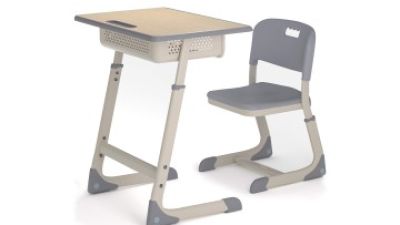
Picking out the right Kids School Chair isn’t just about choosing something bright and cheap. It’s about finding a chair that actually supports good posture, allows movement, keeps kids comfortable, and is safe for all those hours at school. You want a chair that matches a child's height, fits nicely with their desk, and suits their daily activities. For example, when a kid sits down, their feet should rest flat on the floor, knees at a comfy angle, and the backrest should give proper support to their lower and middle back.
Honestly, it’s the little details that count.
Teachers and folks who work with kids often spot issues before adults even realize there’s a problem. A chair that wobbles, slides around, or presses uncomfortably on the legs? That can really distract a kid within just a few minutes. Things like rounded edges, sturdy legs, smooth surfaces, and easy-to-clean materials make a big difference for safety and daily practicality. Plus, since classrooms get heavy use, spills, crayon marks, and wiping down surfaces are all part of life—so the materials should hold up over time.
It’s also super helpful when a supplier provides clear info: dimensions, weight limits, materials used, and warranty details. That way, schools can compare options confidently instead of guessing what might work best.
But here’s the thing—no single chair is perfect for every kid. I’ve seen some really nice-looking chairs that end up being uncomfortable after just a short lesson, and honestly, that’s easy to overlook when shopping quickly. Adjustable features might seem like a bonus, but if they’re complicated to operate, younger kids might get frustrated trying to use them. The best choice is one that offers good support, isn’t overly complicated, is durable, and fits within your budget.
In this guide, I’ll share seven practical tips for picking out a Kids School Chair—from figuring out the right seat height to assessing how well it holds up over time. We’ll also look at those little details that tend to get ignored when you’re in a rush. Taking a little extra time now to evaluate your options can save you a lot of trouble down the line—like discomfort for kids, unnecessary replacements, or classroom distractions that could have been avoided.
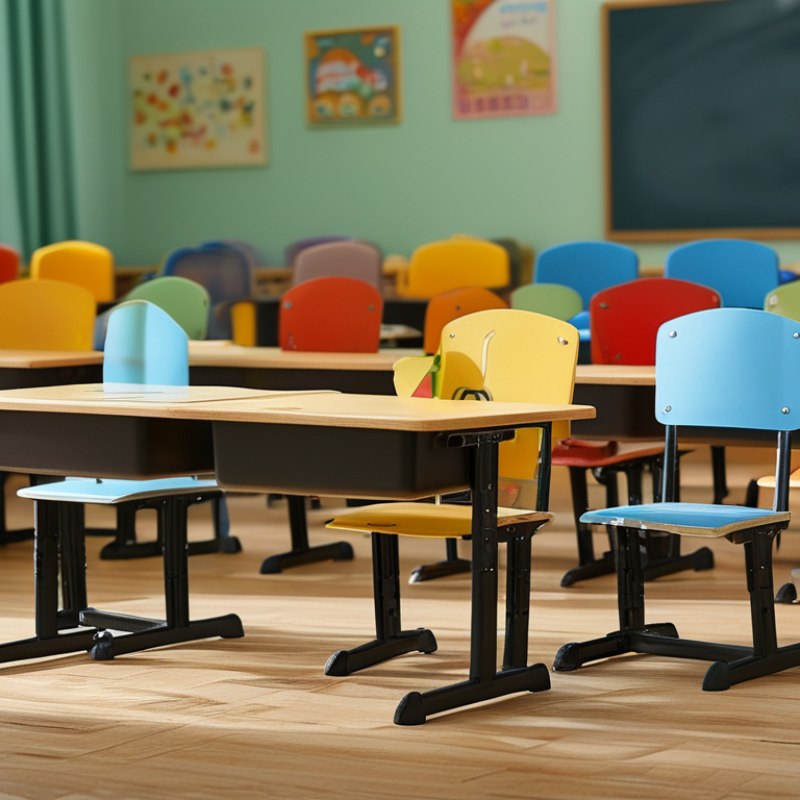
Choosing a kids’ school chair starts with the child, not the classroom label. Age offers a useful guide, but it should never replace direct observation. A five-year-old may need a different seat from another five-year-old because growth rates vary. Measure the child’s height, hip width, and lower-leg length before shopping. The feet should rest flat on the floor, with knees close to a right angle.
Seat depth matters more than many adults expect. When the child sits back, the seat should support most of the thighs without pressing behind the knees. Leave a small gap, about two fingers wide. The backrest should support the lower and middle back, while allowing natural movement. Children often lean, twist, and shift while learning. A chair that feels too rigid may discourage healthy movement.
Developmental needs also shape the choice. Younger children usually benefit from stable chairs with rounded edges and manageable weight. Older students may need adjustable height, better lumbar support, and enough room for writing materials. Watch the child use the chair for ten minutes. Are the shoulders raised? Does the chin move too close to the desk? These details reveal poor fit. I have sometimes focused too much on height and overlooked seat depth. That mistake is easy to make. Recheck the fit every few months, especially during rapid growth. A suitable chair should support concentration without forcing the child into one perfect posture.
Choosing a kids’ school chair starts with measurements, not color or catalog photos. In classroom fitting work, I measure the child’s popliteal height, from the floor to the knees’ underside. The seat should let both feet rest flat, with knees near a 90-degree angle. A chair that is too tall can leave dangling feet. That discomfort is easy to overlook.
Seat depth matters just as much. With the child sitting back, leave about two or three fingers between the seat edge and the knees. Too much depth pushes the child forward and encourages slouching. Too little depth reduces thigh support. A China Kids School Chair should also provide gentle back support without forcing an unnatural posture. Test it with the actual student, if possible.
Desk compatibility is often the forgotten detail. The chair should slide under the desk without hitting its frame or supports. When seated, the child’s elbows should rest close to the desktop while the shoulders remain relaxed. Check the gap between the seat and desk, especially with adjustable furniture. I once focused on seat comfort and missed that the armrests blocked the desk. A small mistake, but classroom space made it obvious. Stable legs, smooth edges, and quiet floor glides deserve practical inspection, not just product-sheet approval.
Safe materials should be a daily priority, not an attractive feature added later. Choose chairs made with low-emission materials and finishes designed for frequent indoor use. Surfaces should feel smooth, with rounded edges and no exposed screws that could scratch small hands. Check for clear safety documentation, including material testing and weight limits. A damp cloth should remove pencil marks without damaging the surface. Strong chemical smells deserve caution.
Stable construction matters when children lean, turn, or climb unexpectedly. Look for a wide base, firmly attached legs, and non-slip feet that grip clean classroom floors. A Custom Kids School Chair should resist tipping when a child shifts sideways, but it should not feel too heavy to move safely. Test the chair on a flat surface. Press gently against the back and seat, then watch for wobbling. Small movement may signal loose joints.
I used to focus mainly on colorful designs. That was a mistake. Children do not sit perfectly still. Their chairs need to tolerate ordinary, restless movement without becoming unstable. Check welded points, fasteners, and the underside regularly. Even a well-made chair can loosen after months of use. Look for a design that makes inspection easy. Safety improves when teachers can notice problems before a child gets hurt.
A good school chair should support movement, not force a child into a rigid pose. Check ergonomic support for healthy sitting posture. Feet should rest flat on the floor, with knees close to a 90-degree angle. The seat depth should leave about two fingers of space behind the knees. A backrest should support the lower and middle back without pushing the shoulders forward. Let the child sit naturally before making a decision.
Chair height must match the desk. If the shoulders lift while writing, the chair may be too low. If the child leans heavily forward, the desk or seat may be unsuitable. Look for a stable base, rounded edges, and a slightly flexible backrest. Children do not sit perfectly. They shift, stretch, and turn. A chair that allows safe movement may support concentration better than a stiff design. Breathable surfaces can also reduce discomfort during long lessons.
When comparing a Wholesale Kids School Chair, ask for clear measurements and material details. Check whether the structure has been tested for daily classroom use. Inspect a sample for wobbling, sharp edges, loose joints, and uneven legs. I once focused too much on appearance and overlooked foot support. That mistake changed my checklist. Observe the child after several minutes, not only during the first trial. Healthy posture should look comfortable, balanced, and sustainable.
A High-Quality Kids School Chair should fit a child’s current body and future growth. Look for seat-height adjustment that lets both feet rest flat on the floor. The knees should form a comfortable angle, not press against the desk. A backrest with several height positions can support changing posture. Test the controls in person when possible. Small hands may struggle with stiff levers.
Do not choose a chair only because it looks strong. Compare its stated capacity with the child’s weight, school supplies, and daily movement. A child may lean sideways, kneel briefly, or rock while thinking. The frame and base should remain stable during these ordinary actions. Check the manufacturer’s testing information and warranty terms. Numbers without evidence deserve caution.
Inspect seams, fasteners, edges, and the underside of the seat. Smooth surfaces are easier to clean after pencil marks, spilled water, or snack crumbs. Durable materials usually cost more, but replacement costs matter too. Still, durability is not everything. A very solid chair can feel uncomfortable after thirty minutes. Ask a child to sit, write, and move naturally. Watch for shoulder lifting or constant shifting. I once underestimated seat depth during a practical comparison; the chair looked excellent but supported shorter legs poorly. Recheck fit every few months, because children grow unevenly.
Choosing the Best Kids School Chair: Comfort, Cleaning, and Daily Maintenance
Comfort should be tested before appearance. Ask children to sit for several minutes, not just touch the seat. Their feet should rest flat, with knees near a right angle. A supportive backrest should allow movement without pushing into the shoulder blades. Rounded edges reduce pressure behind the legs. Check the seat width, surface texture, and chair height together. A chair that feels fine briefly may become tiring after reading time. Noise matters too. Quiet glides can help children concentrate.
Cleaning needs practical attention. Choose smooth, sealed surfaces without deep grooves that trap crumbs. Inspect seams around the seat and backrest. Wipe them after messy activities. Use cleaning products approved for the chair’s material, and follow the stated dilution instructions. Stronger is not always better. Some cleaners can damage finishes or irritate sensitive skin. Let surfaces dry fully before use. I once focused too much on stain resistance and overlooked a narrow gap beneath the seat.
Daily maintenance should take less than a minute. Check loose screws, cracked edges, unstable legs, and missing floor glides. Encourage staff to record repeated problems instead of fixing them silently. Rotate chairs when wear appears uneven. Children also test furniture in unpredictable ways, so observe how they lean, twist, and drag it. A small maintenance log is useful. My own inspections can become rushed, especially during busy mornings. A simple checklist makes missed details less likely and supports safer, cleaner classrooms.
7 Tips for Choosing the Best Kids School Chair
Match the chair to the child and the setting. A Classroom Chair should support upright sitting during writing, reading, and group work. Measure the child’s lower leg before buying. Their feet should rest flat, with knees near a right angle. The seat should not press behind the knees. Comfort matters, but too much softness can reduce support.
Tip: Check the seat height at the desk. A chair that fits alone may fail when paired with a tall table. Children should reach their work without raising their shoulders. In a busy classroom, choose a stable chair with rounded edges and easy-clean surfaces. Lightweight designs help children move safely, though very light chairs may slide too easily. That trade-off deserves attention. Add floor-friendly feet if noise could disrupt lessons.
At home, the environment may need a different approach. A compact chair can suit a small study corner. An adjustable backrest may help a child grow, but complex controls can cause confusion. Keep the design simple. Look for smooth surfaces around art areas, where glue, paint, and crumbs are common. For shared spaces, neutral colors and stackable shapes can reduce clutter. Still, stacking is not always useful if children cannot lift the chairs safely. Test the chair with the child present, and observe their posture after ten quiet minutes. One quick test is not enough.
| Tip | Key Feature | Classroom or Home Environment | Practical Specification | Why It Matters | Quick Fit Check |
|---|---|---|---|---|---|
| 1 | Match the Seat Height | Fixed classroom desks, shared learning spaces, or a home study area | Choose a seat height that allows the child’s feet to rest flat on the floor. Common school-chair seat heights range from approximately 26 to 46 cm, depending on the child’s size. | Correct height supports a stable sitting position and helps the child work comfortably at the desk surface. | Knees should be close to a right angle, with feet supported and thighs level or slightly downward. |
| 2 | Check Seat Depth and Width | Reading corners, homework desks, or classrooms where children sit for longer periods | The seat should support most of the child’s thighs without pressing behind the knees. Leave a small gap between the seat edge and the back of the knees. | A properly proportioned seat improves support while allowing the child to stand up and sit down easily. | The child should be able to sit back against the backrest without slouching or leaning forward excessively. |
| 3 | Select a Supportive Backrest | Writing, drawing, computer work, or lessons requiring extended sitting | Look for a backrest that supports the middle and lower back, with a shape that permits natural movement rather than forcing a rigid posture. | Back support can reduce the need to lean on the desk and helps maintain a balanced sitting position. | The backrest should contact the child’s back without pushing the shoulders forward. |
| 4 | Prioritize Stability and Safety | Active classrooms, group activities, or homes with hard floors and frequent movement | Choose a sturdy frame, a broad and stable base, rounded edges, and non-slip feet suitable for the floor surface. | A stable chair helps prevent tipping during normal use and is easier for children to handle safely. | Apply gentle pressure to the back and sides. The chair should remain stable without rocking unexpectedly. |
| 5 | Match the Chair to the Desk | Standard school desks, adjustable desks, or compact home workstations | Allow enough clearance for the child’s knees and legs. The desktop should be near elbow height when the child is seated comfortably. | A compatible chair-and-desk combination prevents awkward shoulder elevation, excessive bending, and restricted leg movement. | The child should be able to pull close to the desk while keeping both feet supported. |
| 6 | Consider Materials and Cleanability | Art rooms, cafeterias, shared classrooms, or homes where spills are common | Use smooth, non-porous surfaces that can be wiped with mild soap and water. Avoid deep seams that collect dust and crumbs. | Easy-clean surfaces support routine hygiene and reduce maintenance time in busy environments. | Review the care instructions and check that the finish remains smooth after regular cleaning. |
| 7 | Evaluate Portability and Storage | Flexible classrooms, multipurpose rooms, small bedrooms, or shared home spaces | Select a lightweight but sturdy chair with a practical handle, stackable design, or compact footprint when frequent rearrangement is required. | Easy movement helps adults and older children reconfigure the space without dragging furniture across the floor. | Confirm that the chair can be lifted or moved safely and stored without blocking walkways or emergency exits. |
Selection principle: Measure the child, desk, and available space first, then choose the chair that provides stable foot support, comfortable leg clearance, and a suitable working height.
The GD-G02 multi-functional lift desk and chair is designed to support comfortable, focused learning in modern classrooms. Its coordinated desk-and-chair structure provides a practical solution for students who spend extended periods reading, writing, or using digital devices. With an adjustable seat height, users can adapt the seating position to their individual needs, encouraging a healthier sitting posture and helping reduce discomfort caused by prolonged study sessions.
Flexible design is central to this seating solution. The height-adjustable feature allows the furniture to accommodate different users and classroom activities, while the functional layout helps make better use of limited learning spaces. The design emphasizes stability, ease of use, and everyday comfort, making it suitable for schools, training centers, and study areas that require adaptable furniture.
Produced by a China-based factory and supplied for institutional and educational applications, the GD-G02 reflects a focus on practical manufacturing and user-oriented details. Buyers evaluating classroom furniture can consider its adjustable configuration, ergonomic purpose, and suitability for long-term educational environments when comparing supplier options.
: Measure height, hip width, and lower-leg length before shopping. The child’s feet should rest flat on the floor. Knees should stay near a right angle. Age helps, but direct observation matters more. Children grow unevenly.
The seat should support most of the thighs. It must not press behind the knees. Leave a gap about two fingers wide. Check this while the child sits fully back. Small details matter.
Watch the child use the chair for ten quiet minutes. Check whether the shoulders rise or the chin moves toward the desk. Notice leaning, twisting, dragging, and frequent shifting. These signs may show poor fit. One quick test is not enough.
The backrest should support the lower and middle back. It should still allow natural movement. Children may lean and twist while learning. A rigid chair can discourage comfortable movement. Perfect posture is not the goal.
Younger children usually need stable chairs with rounded edges. The chair should have a manageable weight. It should not slide too easily during movement. Very light furniture can create that problem. Test it carefully.
Ask the child to sit for several minutes before deciding. Check seat width, texture, height, and back support together. Rounded edges can reduce pressure behind the legs. Quiet floor glides may support concentration. A soft seat is not always supportive.
Choose smooth, sealed surfaces without deep grooves. Inspect seams beneath the seat and around the backrest. These areas can collect crumbs, paint, and glue. Use cleaning products suitable for the material. Stronger cleaning is not always better. Let the chair dry fully.
Check loose screws, cracked edges, unstable legs, and missing floor glides. Record repeated problems instead of fixing them silently. Rotate chairs when wear becomes uneven. A short checklist helps during busy mornings. My inspections can become rushed.
Choosing the right Kids School Chair requires more than selecting a colorful seat. Start by considering the child’s age, height, body size, and developmental needs. The chair should provide an appropriate seat height and depth, work comfortably with the desk, and support a natural sitting posture. Look for safe, durable materials and a stable, tip-resistant structure that can handle everyday use. Proper ergonomic support can help children sit comfortably while reading, writing, or participating in activities.
It is also important to compare adjustability, weight capacity, and the chair’s potential for long-term use as the child grows. Comfort should be balanced with easy cleaning and simple daily maintenance, especially in busy classrooms or active homes. Finally, match the chair’s features to its environment. A lightweight option may suit flexible learning spaces, while a sturdier design may be better for frequent use. Careful evaluation ensures the chair is safe, practical, comfortable, and suitable for the child’s daily learning needs.