Leave Your Message
0%

Picking out the right training chair with a writing pad can make all the difference when it comes to comfort, focus, and actually learning stuff. A good chair isn’t just about looks — it needs to support practical tasks, whether in classrooms, conference rooms, workshops, or exam halls. Basically, it should give you stable seating, a handy writing surface, and enough room for folks of different sizes to move around comfortably.

When you’re shopping, pay close attention to things like the frame’s sturdiness, the depth of the seat, the size of the writing pad, and how high it’s positioned. A steel frame might be more durable, while molded plastic can keep the weight down and make cleaning easier. The writing pad should fit a notebook, tablet, or a stack of papers without feeling jam-packed. And if people are writing for long stretches, rounded edges on the pad are a small but important detail.

Now, comfort isn't just about having soft padding. Something that feels great for five minutes might get uncomfortable after a couple hours. Take a moment to check the backrest angle, how well the seat supports your back, and make sure there’s enough legroom. If you can, test the chair with a real workbook or laptop—this way, you’ll see if there are any awkward spaces that don’t show up in product pictures. Honestly, no single design is perfect for every setting, and that’s okay to admit.

When you’re choosing, think about how the chair fits into the room layout, storage options, airflow, and how easy it is to keep clean every day. Chairs with writing pads should move smoothly but stay steady when someone’s actually writing. Before buying, give hinges, fasteners, and how the pad attaches a quick look—this can save headaches later. Also, don’t forget to ask suppliers about weight limits, whether parts can be replaced, warranty info, and safety standards. Good specs build trust.

All in all, the best choice hits that sweet spot between usefulness, durability, comfort, and your budget. Looks matter, sure, but performance is what really counts. Taking the time to compare options carefully helps you avoid wobbly writing pads, cramped seats, and costs from having to replace furniture too soon. This guide covers the key things that make a Training Chair With Writing Pad reliable and practical for real-life learning spaces.

How to Choose the Best Training Chair With Writing Pad?

What Is a Training Chair With Writing Pad?

A Training Room Chair With Writing Pad is a compact seat designed for learning, meetings, and short writing tasks. It combines a supportive chair with a small attached tablet or writing surface. The pad may fold, rotate, or remain fixed beside the user. This design saves table space and keeps notebooks, tablets, and forms within easy reach.

In practical room assessments, I look at how the chair supports real movement. A useful writing pad should feel stable when someone writes quickly. It should also leave enough space for the user’s knees and elbows. Many models include a lightweight frame, a padded backrest, and a tablet made from wood, plastic, or coated composite material. Check the seat height, pad width, edge shape, and weight capacity before choosing one. A smooth edge matters more than it first appears.

The best option depends on session length and room layout. A narrow chair works well in crowded classrooms, while a broader seat may suit longer workshops. Some writing pads feel firm but wobble under pressure. That is a flaw worth noticing. I have also found that chairs with casters can move too easily during writing exercises. Fixed legs often provide better control, although they reduce flexibility. Ventilated backrests, washable surfaces, and corrosion-resistant frames can improve daily maintenance. Still, comfort is personal, and a specification sheet cannot fully predict how a chair will feel after two hours.

How to Assess Your Training Room and Seating Requirements

Choosing a training chair with a writing pad begins with the room, not the catalogue. Measure the usable floor area after doors, columns, screens, and storage are included. The 2010 ADA Standards specify a 30-by-48-inch clear floor space for wheelchair users. They also identify a 36-inch minimum width for many accessible routes. These figures quickly expose crowded layouts.

Count real participants, not ideal attendance. A room for 24 people may need space for bags, power cables, trainers, and late arrivals. Leave room. Arrange chairs so participants can see the presenter without twisting their necks. OSHA’s Computer Workstations eTool recommends neutral wrists, supported feet, and a screen positioned near eye level. A writing pad should support the forearm without forcing the shoulder upward. Test this with actual notebooks and laptops. Small pads often fail here.

Consider movement patterns during exercises. Can a participant stand, turn, and exit without disturbing three others? A 2023 report from the U.S. Access Board reinforces the importance of usable clearances in public environments. Accessibility is not an optional feature. It affects every session. Noise also matters; hard floors and tightly packed chairs can make discussion tiring. I have seen rooms look efficient on paper but feel cramped within ten minutes. That is the uncomfortable part. Recheck the layout with occupied chairs, open laptops, and winter coats. Measure twice. Judge comfort in practice.

Which Writing Pad Size and Design Best Fit Your Work

Choosing the best training chair with writing pad starts with the work, not the chair’s appearance. A narrow pad suits short lectures and quick notes. A wider surface supports laptops, printed manuals, and an elbow without crowding. Aim for about 400–500 mm of writing width and at least 300 mm of usable depth. Small pads look efficient. They can feel restrictive after an hour.

Design also affects posture. The pad should sit near elbow height, remain stable, and allow enough clearance for the user’s knees. A slight angle can reduce wrist bending, but an excessive slope may let papers slide. The U.S. Bureau of Labor Statistics recorded about 1.7 million days-away-from-work injury and illness cases in 2022; roughly one-third involved musculoskeletal disorders. That figure supports careful ergonomic choices, although a writing pad alone cannot prevent discomfort.

For training rooms, a foldable or pivoting pad saves aisle space and improves movement. Left- and right-handed users need equal access. Check the hinge, edge radius, and load stability in person. A China Training Chair With Writing Pad may offer practical value when its dimensions match local training habits, room layouts, and user sizes. Specifications can mislead. I would test the chair with a laptop, notebook, and water bottle before ordering. Two minutes of testing may expose an awkward design.

How to Compare Chair Materials, Frames, and Construction

A training chair with a writing pad should be judged by its frame, joints, and load path, not appearance alone. My first mistake was testing only the cushion. After several hours, the pad flexed, while the seat remained comfortable. A steel or reinforced-aluminum frame usually handles repeated movement better than thin tubular steel. However, heavier does not always mean stronger.

The ANSI/BIFMA X5.1 office-chair standard includes stability, strength, and repeated-load testing. Its seat durability test uses 100,000 cycles, a useful reference when suppliers provide test records. Ask whether the writing pad received separate load testing. A pad holding a laptop creates twisting force around its bracket. Look for reinforced attachment points, concealed fasteners, and limited sideways movement. Plastic can work well for shells and pads, but brittle blends may crack near screw holes. Glass-filled polymer offers better stiffness, though it can feel less warm.

Material choice also affects disposal. The U.S. Environmental Protection Agency’s Facts and Figures report recorded 12.1 million tons of furniture and furnishings in the municipal waste stream in 2018. Only about 0.4% was recycled. That figure makes repairable construction worth considering. Choose replaceable casters, accessible screws, and fabric that can be removed without destroying the foam. Upholstery should resist abrasion, but published test results matter more than vague claims. I would also inspect the chair in person. A slightly imperfect finish is acceptable; a loose pad is not.

How to Choose the Best Training Chair With Writing Pad

Comparing chair materials, frame strength, and construction factors using representative engineering data.

Material values are representative figures for commonly used grades. Actual performance varies with alloy, plastic formulation, plywood direction, wall thickness, joints, and manufacturing quality.

Frame

Steel provides high stiffness and impact resistance. Aluminum reduces weight but needs well-designed joints and tubing to limit flex.

Seat and Back

Molded polypropylene is lightweight and moisture-resistant. Plywood offers a firm feel, while edge treatment and surface finish affect comfort.

Writing Pad

Choose a pad with rounded edges, a rigid support arm, at least two secure attachment points, and enough surface depth for a notebook or tablet.

What Ergonomic Features Should a Training Chair Include?

A good training chair should support movement, not force the body into one fixed position. During long workshops, I look for adjustable seat height, firm lumbar support, and a waterfall seat edge. These features can reduce pressure behind the knees and help users keep both feet stable. The backrest should follow the natural curve of the spine without pushing the shoulders forward. Breathable fabric also matters when a classroom becomes warm.

The writing pad needs careful attention. A Custom Training Chair With Writing Pad should provide enough space for a notebook, but it should not trap the elbows. Check whether the pad supports both left- and right-handed users. A slightly angled surface can improve wrist comfort during note-taking. It should remain steady when someone writes quickly. The hinge must feel secure, yet move smoothly if the chair is stored. Avoid chairs with sharp edges or narrow tablet supports.

Test the chair before buying. Sit for ten minutes. Shift position. Reach for the pad. I once chose a chair with excellent back support, but its writing surface was too small for practical classwork. That mistake changed my evaluation method. Comfort is not identical for every body, so adjustable features usually matter more than a thick cushion. Stability, clear legroom, and easy cleaning deserve equal attention. A chair can look ergonomic and still feel awkward in daily use.

How to Evaluate Mobility, Storage, Durability, and Maintenance

Choosing the Best Training Chair with writing pad requires more than checking its appearance. Mobility matters when rooms change frequently. Test the casters on carpet, tile, and uneven flooring. The chair should move smoothly without drifting during writing. A lightweight frame helps rearrange rows, but excessive lightness may reduce stability. Check the writing pad’s rotation and clearance. It should open easily without striking nearby chairs.

Storage needs careful attention. Look for nesting or folding features when space is limited. Measure the storage area before ordering. Do not rely only on product photographs. Durability depends on frame joints, fasteners, padding, and pad thickness. A steel frame may handle frequent use, while reinforced plastic can reduce overall weight. Ask about tested load capacity and replacement parts.

I once focused too much on mobility and overlooked a loose tablet hinge. That small mistake affected comfort more than expected.

Maintenance also deserves inspection. Smooth, sealed surfaces are easier to wipe after long sessions. Removable cushions can simplify cleaning, but seams may collect dust.

Tips: Sit for ten minutes. Write naturally. Check elbow support. Roll the chair slowly. Listen for rattling. Inspect every hinge. Choose practical comfort over attractive details. Keep a simple maintenance schedule, and tighten accessible fasteners periodically. Avoid harsh cleaners unless the care instructions approve them. Some chairs look durable but age poorly under constant movement. A trial session may reveal problems that specifications cannot.

How to Compare Prices and Select the Best Overall Option

When comparing training chairs, do not trust the lowest listed price. A cheap chair can become expensive after shipping, assembly, or early replacement. I check the complete purchase cost, including delivery, taxes, warranty coverage, and return conditions. These details often change the real value.

For a Wholesale Training Chair With Writing Pad, compare more than the chair count. Check the frame material, writing pad thickness, seat dimensions, and weight capacity. The pad should feel stable when a student writes with one hand. It should not wobble when notebooks move across the surface. Tiny details matter. Ask for product measurements and recent quality-control records. Clear specifications are more reliable than attractive photographs.

I once compared prices without checking packaging quality. Several writing pads arrived scratched, and the savings disappeared quickly. That mistake changed my buying method. I now request a sample, inspect the folding mechanism, and test the chair for a full session. A strong overall option should balance comfort, durability, maintenance, and price. Consider stacking space, floor protection, and replacement parts too. A slightly higher price may be reasonable when the supplier provides consistent materials and responsive service. Still, expensive does not automatically mean better. Compare the same specifications, quantity, and support terms before deciding.

How to Choose Cost-Effective Classic Chairs and Desks for School Classrooms from China Suppliers

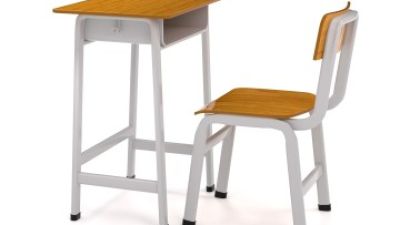
Choosing cost-effective classic chairs and desks for school classrooms requires more than comparing prices. Schools should evaluate durability, comfort, safety, and long-term maintenance costs before placing an order with China suppliers. The GD-D13 collection is designed for practical classroom use, offering a reliable combination of sturdy construction and a timeless appearance. Its simple design can fit different teaching environments, while durable materials help the furniture withstand daily use by students. Smooth surfaces and carefully finished edges also support easy cleaning and safer classroom operation.

When selecting a supplier, buyers should review production capabilities, quality-control procedures, customization options, and delivery support. The factory producing GD-D13 uses advanced manufacturing techniques to maintain consistent standards across every item. Schools and distributors can discuss suitable desk dimensions, chair heights, colors, packaging, and order quantities according to their specific requirements. A dependable manufacturer should also provide clear product specifications, stable production capacity, and responsive communication throughout the purchasing process. By considering both the initial cost and the expected service life, education buyers can choose Classroom Furniture that offers practical value without compromising everyday comfort or reliability.

FAQS

: What is a training chair with a writing pad?

: It combines a supportive seat with a small attached surface for writing or device use. The pad may fold, rotate, or stay fixed. It keeps notebooks, tablets, and forms close to the user.

What writing pad size works best?

A width of 400–500 millimeters usually supports notes, manuals, and a small laptop. At least 300 millimeters of usable depth feels more practical. Small pads save space but may feel restrictive after an hour.

How should the writing pad support posture?

The pad should sit near elbow height and leave room for knees. A slight slope can reduce wrist bending. An excessive slope may let papers slide.

Are fixed legs or casters better?

Fixed legs usually provide better writing control. Casters improve movement but may drift during note-taking. Test both options on your actual floor.

How can I check the chair’s stability?

Sit down and write naturally for ten minutes. Press lightly on the pad. Listen for rattling and inspect every hinge.

What features help in crowded training rooms?

Foldable or pivoting pads can protect aisle space. Nesting chairs simplify storage. Measure doorways, aisles, and storage areas before ordering.

Which materials support daily use?

Steel frames can handle frequent movement. Reinforced plastic may reduce weight. Sealed surfaces are easier to wipe after long sessions.

What maintenance does the chair need?

Wipe smooth surfaces regularly and check accessible fasteners. Follow the approved cleaning instructions. Harsh cleaners may damage coatings.

Can product specifications predict comfort?

Not completely. A specification sheet cannot show how the chair feels after two hours. I once focused on mobility and missed a loose tablet hinge.

What should I test before buying?

Use a laptop, notebook, and water bottle on the pad. Check elbow support, knee clearance, movement, and storage fit. Two minutes may reveal an awkward design.

Conclusion

Choosing the best Training Chair With Writing Pad starts with understanding how the chair will be used and what your training room requires. Consider the room’s size, seating capacity, layout, and frequency of use before comparing models. The writing pad should provide enough space for note-taking, tablets, or small laptops without making the chair feel unbalanced. Its position, shape, folding function, and suitability for left- or right-handed users can significantly affect comfort and productivity.

Pay close attention to the chair’s materials, frame strength, finish, and overall construction. Ergonomic features such as supportive backrests, suitable seat height, comfortable padding, and adequate legroom help users remain focused during long sessions. Mobility, stackability, storage convenience, durability, and ease of cleaning are also important for busy training environments. Finally, compare prices by considering long-term value rather than initial cost alone. The best option should combine comfort, practicality, reliable construction, easy maintenance, and a design that matches your room’s daily needs.


Ethan

Ethan

Ethan is a dedicated marketing professional at Guangzhou Gaudi School Equipment Manufacturing Co., Ltd., where he leverages his expertise to enhance the company’s online presence. With a strong background in the education sector, he possesses an in-depth understanding of the products offered by......
Previous Best Plastic School Desk and Chair Options for Global Buyers?