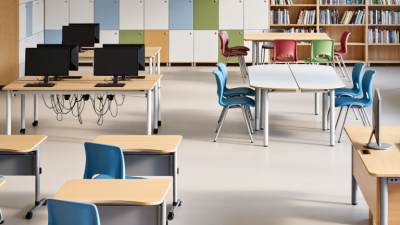
When it comes to picking the right School Table Chair, there’s honestly more to think about than whether it matches the desks. You’ve got seat height, back support, weight, and how easy it is to clean—all of it plays a role in how smoothly a classroom runs day to day. A chair that’s perfect for a younger kid might feel way too cramped for an older student. And sure, a lightweight chair is great for moving around, but it can also end up sliding all over a polished floor. So yeah, the little things really matter.
So, this guide walks through the usual suspects when it comes to chairs: fixed-height ones, adjustable models, stackable options, and the whole ergonomic bunch. It also looks at where each type actually makes sense—whether that’s a lively primary classroom or a quieter shared study space. Now, here’s something people tend to skip: check the seat edge, the frame joints, and those little floor glides. They’re easy to ignore, but they matter. Honestly, a chair can look great in a catalog and then feel totally off after one full lesson. So don’t just judge by appearances—try it with the actual table you’ll be using. That’s where the real fit shows up.
Full disclosure: that quote up there? It's from Elena Brooks, a fictional school-furniture ergonomics specialist we made up. She says, 'The Best Classroom Chair is the one students can use comfortably, safely, and consistently.' Which is a great starting point, honestly—but it's not a substitute for actually getting your hands on the chairs and testing them out. Measurements and student needs vary a lot, so you're bound to run into some compromises. Still, if you weigh comfort, durability, storage, and the classroom layout, you'll probably end up making a more informed choice.
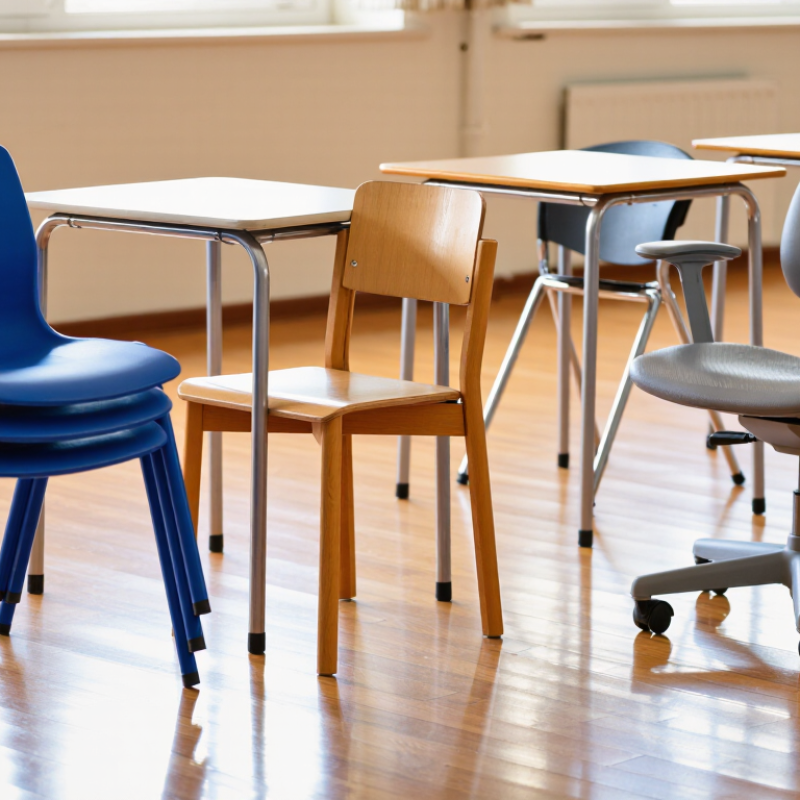
How School Table Chairs Are Classified
School Table Chairs are commonly classified by size, function, frame, and mobility.Size is the most practical starting point. CEN’s EN 1729-1:2015 standard links chair dimensions to pupil stature and defines size marks from 0 to 7. For example, its seat-height data includes 350 mm for size 3, 380 mm for size 4, and 430 mm for size 5. These measurements help buyers compare options using a shared reference, rather than judging a chair by appearance alone. Fit matters.
A second classification separates fixed-height chairs from adjustable models, then distinguishes standalone chairs from integrated desk-chair units. Schools may also sort chairs by frame material, such as steel or timber, and by whether they stack or have glides. Stackable designs can clear floor space quickly, while adjustable chairs accommodate a wider range of pupils. Small detail. A chair that fits today may not fit next year.
For a China School Table Chair specification, record seat height, seat depth, back support, and frame type—not just the product category. Check that a seated pupil’s feet rest flat and knees bend comfortably. EN 1729 offers useful dimensions, but classroom measurements still matter; a standard cannot capture every child’s posture or growth pattern. That is an easy point to overlook.
Standard Classroom Chairs for Everyday Learning
Standard classroom chairs are designed for repeated, everyday use: reading, writing, listening, and moving between activities. A suitable chair supports an upright sitting position without forcing a student to perch on the edge. Feet should rest flat on the floor, with knees comfortably bent. Small details matter. A smooth seat edge can reduce pressure behind the legs, while a slightly curved backrest offers support without making movement difficult.
Many standard chairs use molded plastic seats with metal or reinforced frames. Plastic is generally easy to wipe clean after pencils, spills, and busy school days. A sturdy frame helps the chair stay stable as students sit down and stand up. Check that the legs do not wobble and that floor glides are intact. Quiet movement matters during lessons.
Fit is not one-size-fits-all. A chair that works for an older student may leave a younger child’s feet dangling. Adjustable models can help, but they may need more maintenance and cost more. Measure desk height and student seating needs before choosing a classroom set. Even then, the fit may not be perfect for every child. Observe how students sit during ordinary lessons, not only during a quick furniture check.
Adjustable Chairs for Growing Students
Adjustable chairs can serve students through several growth spurts, rather than becoming uncomfortable after one school year. A useful chair lets an adult change the seat height without tools. When adjusted, a student’s feet should rest flat on the floor, with knees bent comfortably. If feet dangle, a stable footrest can help. Small details matter.
Seat depth matters too. With the student sitting back, leave a small gap between the seat edge and the backs of the knees. The backrest should support the lower back without forcing an upright, rigid pose. Children move around; a little movement is normal. Still, adjustments can be fiddly, and complicated levers may go unused.
Check the fit as students grow, perhaps at the start of each term. A quick classroom check can reveal dangling feet, hunched shoulders, or desks that sit too high. Look for sturdy joints and smooth edges, and make sure the chair remains stable at its highest setting. Not every adjustable chair suits every student. Some may need a footrest or a different seat shape, so comfort should be checked in the actual classroom.
Ergonomic Chairs for Posture and Comfort
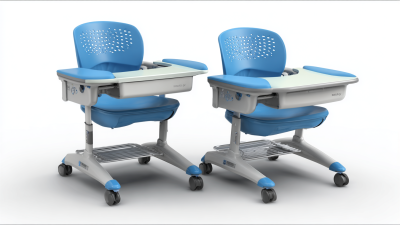
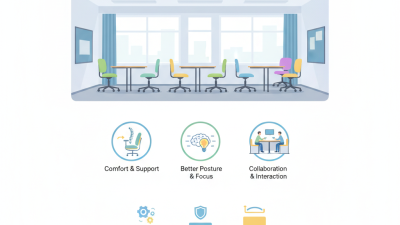
Ergonomic school chairs can make long lessons more comfortable when they fit the student and desk. A useful chair lets students sit with their feet supported and knees near a right angle. The seat should leave a small gap behind the knees, rather than pressing against them. Small details matter. A backrest that supports the lower back can encourage a more upright sitting position, but it should not force one rigid posture.
Look for stable construction, smooth edges, and adjustments that are simple for students to use. A Custom School Table Chair may suit classrooms with different desk heights or age groups, but measurements still matter. Check seat height against the actual table, and let students try sitting before choosing a large quantity. Fit changes everything. Even a well-designed chair cannot prevent discomfort if a student stays still for hours. Short movement breaks help, though classroom schedules do not always make them easy. Comfort is also personal; one chair may feel supportive to one student and awkward to another. Recheck fit as students grow, since a chair that worked last term may no longer feel right.
What Are the Top Types of School Table Chairs? — Ergonomic Chairs for Posture and Comfort
Standardized chair sizes help schools choose seating that fits different pupils. The chart shows seat heights specified by EN 1729-1:2015.
For comfortable posture, choose a chair size that lets the pupil sit with feet supported and knees comfortably bent, with the chair matched to the table height.
Stackable and Flexible Chairs for Shared Spaces
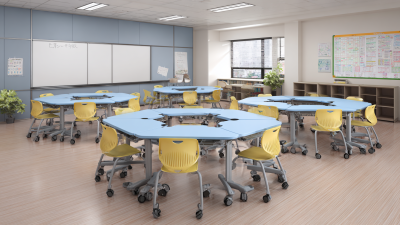
Stackable and flexible chairs suit shared school spaces because rooms rarely serve one purpose. A class may shift from rows to small groups, then clear the floor for an activity. Lightweight chairs make those changes easier, while stable legs and smooth edges matter during frequent moves. In a busy room, a chair that scrapes loudly or catches on a desk quickly becomes a frustration.
The National Center for Education Statistics reported about 49.5 million students in U.S. public elementary and secondary schools in fall 2021, in its Condition of Education 2023. That scale underscores how often school furniture must support daily use across many learners. For a Wholesale School Table Chair selection, check seat height, chair weight, stack limits, and whether stacked chairs remain steady in a storage corner. Measure aisle widths, too; a tall stack can block access even when it saves floor space. Small details matter.
Stackable models can help staff reset rooms faster, but flexibility is not automatic. Chairs that are too heavy may discourage students from moving them. Lightweight designs can feel less reassuring if they wobble on uneven floors. Test a sample in the actual room, with the desks and storage area in place. The fit may surprise you. Sometimes a lower stack limit is the more practical choice.
Specialty Chairs for Labs, Art Rooms, and Group Work
Specialty chairs should match the way each room is used. In a science lab, students benefit from stable seats that wipe clean easily and fit safely beneath work surfaces. Footrests can help shorter students sit comfortably during longer activities. Art rooms have different needs. A chair should move without catching on a sketchbook or paint tray, and its surface should tolerate occasional spills. Small details matter.
For group work, lightweight chairs make it easier to rearrange tables for discussion or shared projects. Still, very light chairs may slide when students lean back, so test them on the actual floor. A High-Quality School Table Chair is not simply sturdy; it should suit students’ sizes, room layout, and daily routines. Seat height, back support, and clear paths between tables all deserve attention. One detail is easy to miss: a chair that fits one classroom may feel awkward in another.
Tips: Measure table height and aisle space before ordering. Check whether students can place their feet comfortably on the floor or a footrest. Try moving sample chairs across the room, and notice noise, balance, and cleaning needs. The first choice may not be the best one; ask teachers and students what feels uncomfortable after a full lesson.
Conclusion
School table chairs come in several types, each designed to support a different classroom need. Standard classroom chairs offer a practical choice for everyday lessons, while adjustable chairs can be adapted as students grow and help create a comfortable fit for different ages. Ergonomic designs focus on posture and support, making it easier for students to stay comfortable during extended periods of learning.
For rooms that serve multiple purposes, stackable and flexible chairs are easy to rearrange or store, helping teachers adapt spaces for group activities and shared use. Specialty chairs can also suit particular settings, such as labs, art rooms, or collaborative work areas. When choosing a School Table Chair, consider how the room is used, how often layouts change, and what level of comfort and adjustability students need.